
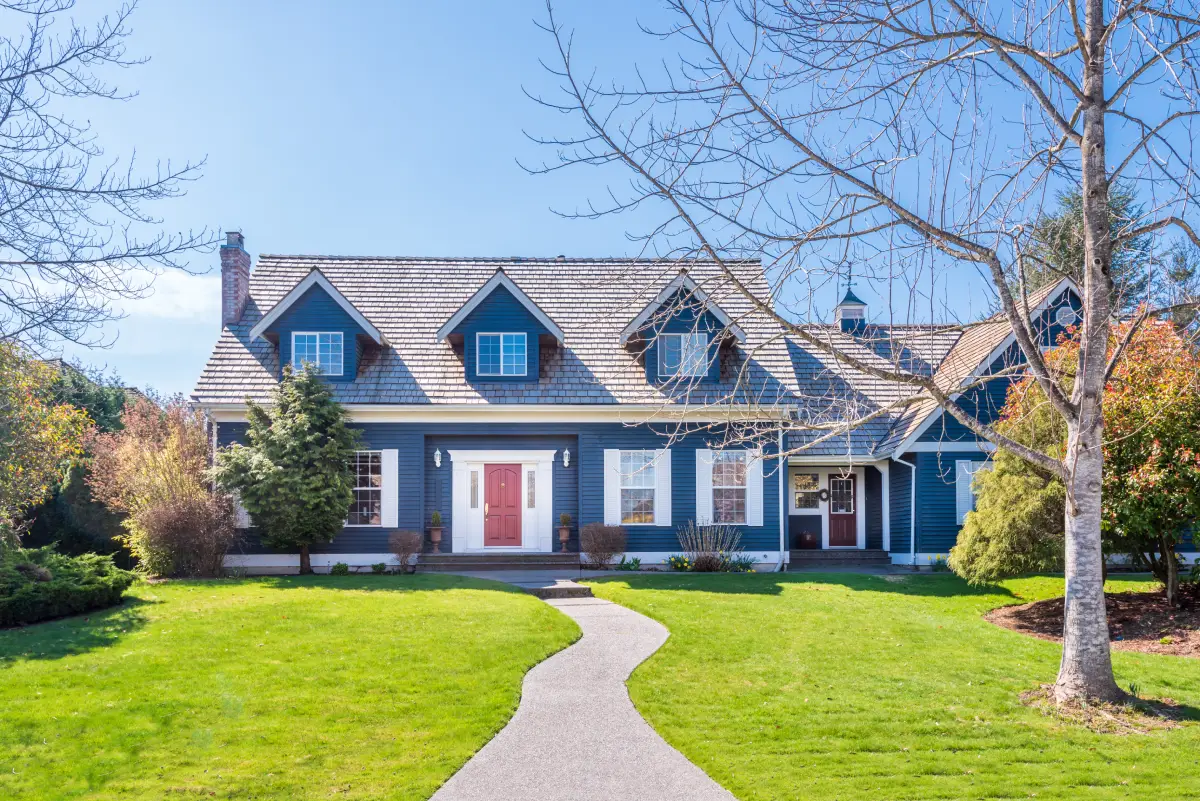
A rental property can appear successful for years while gradually producing weaker financial results than expected. Consistent occupancy and steady rent payments are encouraging signs, but they do not always reflect the full picture. Small decisions related to pricing, maintenance, budgeting, and lease management can influence profitability in ways that are not immediately obvious.
As Tampa's rental market continues evolving, owners who regularly evaluate performance often gain a clearer understanding of where opportunities exist. A recent review through a complimentary rental assessment can help identify areas that may be affecting returns and reveal practical ways to improve performance over time.
Key Takeaways
- Occupancy alone does not determine a property's financial success.
- Rental rates that remain unchanged for too long can reduce profitability.
- Small maintenance issues often become larger expenses when ignored.
- Property improvements help support competitiveness and rental value.
- Ongoing reviews provide insight into long-term investment performance.
Pricing Decisions Have a Long-Term Effect on Revenue
Many property owners value stability and hesitate to raise rent for dependable tenants. While that approach may help reduce turnover, it can also create financial challenges when pricing falls behind market conditions.
Neighborhood growth, changing demand, and rising ownership expenses all influence rental values. Properties that remain priced below comparable rentals may gradually lose earning potential.
Modest Gaps Can Produce Significant Losses
A rental charging $100 less per month than similar properties sacrifices $1,200 annually. Over several lease cycles, that difference becomes substantial.
Meanwhile, expenses continue rising. Property taxes, insurance premiums, vendor fees, and maintenance costs rarely stay the same.
Owners who want additional perspective on long-term planning may benefit from reviewing rental budgeting practices.
Annual Reviews Support Better Pricing
Evaluating rental rates regularly allows owners to make informed adjustments based on market conditions. Smaller increases are often easier to implement and help avoid larger corrections later.
Maintenance Costs Often Begin With Minor Problems
Many expensive repairs start as relatively small concerns.
Unfortunately, issues that appear manageable today often become more complicated and costly if they remain unresolved.
Water Damage Can Develop Gradually
Leaks hidden beneath sinks, around plumbing fixtures, or inside walls may continue unnoticed for extended periods. Moisture can eventually affect flooring, drywall, insulation, and cabinetry.
HVAC Systems Usually Provide Warning Signs
Reduced airflow, uneven temperatures, and unusual sounds frequently indicate developing HVAC problems. Addressing these concerns early often helps avoid emergency repairs.
Owners who monitor expenses through organized property accounting records are often better equipped to identify maintenance trends and recurring costs.
Aging Appliances Require Attention
Appliances rarely stop working without warning. Declining performance often signals a need for maintenance or replacement before major disruptions occur.
Routine inspections remain one of the most effective ways to identify concerns before expenses increase.
Property Condition Influences Marketability
Long-term occupancy can sometimes delay improvement projects.
When a property remains occupied for years, upgrades may seem less urgent. However, renter expectations continue changing, and competing properties often evolve alongside them.
According to Redfin's Rental Market Tracker, rental prices remain elevated across many markets, increasing the importance of property presentation and perceived value.
Improvements Commonly Postponed
Several upgrades are frequently delayed:
- Interior paint updates
- Flooring replacement
- Appliance modernization
- Lighting improvements
- Fixture upgrades
These projects require investment, but they often contribute to stronger rental appeal and improved pricing opportunities.
Presentation Matters More Than Ever
Most prospective renters begin their search online. Updated properties typically generate stronger interest and attract more qualified applicants.
Owners interested in improving tenant quality may find useful insights in discussions about low-complaint tenants, which highlight how quiet tenants may sometimes unintentionally contribute to overlooked maintenance issues.
Familiarity Can Lead to Inconsistent Management
Positive tenant relationships are important, but long-term familiarity can occasionally create operational challenges.
Over time, some lease standards may become less consistent if expectations are not reinforced regularly.
Common Situations That Develop
Examples often include:
- Habitual late rent payments.
- Unauthorized occupants.
- Unapproved pets.
- Deferred tenant responsibilities.
Addressing concerns early helps maintain property condition and supports professional landlord-tenant relationships.
Consistency Supports Stability
Clear communication and reliable lease administration benefit both parties. Well-defined expectations help reduce misunderstandings and encourage accountability.
Many landlords strengthen operational consistency through better rent collection strategies.
Looking Beyond Occupancy Rates
Monthly rent payments provide useful information, but they do not tell the entire story.
Evaluating multiple performance indicators helps owners gain a more accurate understanding of how their investment is performing.
Areas Worth Reviewing Annually
An annual review should examine:
- Rental pricing
- Maintenance spending
- Vendor expenses
- Property condition
- Lease compliance
- Market competition
This process often reveals opportunities that remain unnoticed during routine operations.
Owners seeking additional insight can use a property return calculator as part of a broader financial review process.
Data Can Highlight Opportunities
Research from PwC found that 32% of customers will leave a company after a negative experience. While rental housing differs from traditional consumer services, resident satisfaction remains closely connected to retention and overall property performance.
Strong Results Depend on Ongoing Oversight
Successful rental ownership often comes from a series of consistent decisions rather than a single strategy.
Owners who monitor property performance regularly are generally better positioned to identify opportunities and address challenges before they affect profitability.
Proactive Management Supports Long-Term Value
A proactive approach often helps owners achieve:
- Lower repair costs
- Better tenant retention
- Improved property preservation
- More predictable operating expenses
These benefits contribute to stronger investment outcomes over time.
Resident Expectations Continue Evolving
The American Customer Satisfaction Index reported ratings of 81 out of 100 for in-room amenities. While residential rentals differ from hospitality environments, renters continue placing significant value on comfort, convenience, and property condition.
Owners who regularly review available property owner resources often gain a better understanding of the factors influencing long-term profitability.
FAQs about Hidden Rental Revenue Loss in Tampa, FL
How can lease expiration timing affect rental income?
Lease expiration dates influence vacancy risk and market flexibility. Reviewing renewal schedules helps owners avoid multiple turnovers occurring simultaneously and provides opportunities to align lease terms with local demand patterns.
Should landlords track repair frequency for specific systems?
Yes. Monitoring recurring repairs can reveal larger underlying issues. Identifying patterns early often helps owners avoid repeated expenses and make more strategic maintenance or replacement decisions.
Can landscaping influence rental property performance?
Exterior appearance contributes significantly to first impressions. Well-maintained landscaping can improve curb appeal, attract stronger applicants, and support the property's overall marketability within a competitive rental environment.
Why is comparing vendor costs important?
Vendor pricing and service quality can vary significantly. Reviewing contractor relationships periodically helps owners maintain cost efficiency while ensuring maintenance work continues meeting property standards and resident expectations.
What operational habits commonly reduce rental profitability?
Infrequent pricing reviews, delayed maintenance, inconsistent lease enforcement, and limited financial analysis can all reduce profitability. Addressing these areas proactively often helps improve long-term investment performance.
Supporting Stronger Financial Performance Year After Year
Healthy rental performance rarely happens by chance. Properties tend to perform best when pricing, maintenance, budgeting, and lease administration receive consistent attention. Small adjustments made at the right time can have a meaningful effect on long-term results.
At PMI South Tampa, we help Tampa property owners make informed decisions through proactive management, detailed reporting, and ongoing oversight. If you're ready to improve payment consistency and simplify income tracking, streamline your rent collection process with PMI South Tampa and gain greater confidence in your property's financial future.
